
Before entering into the specific details of the evaluation, it is important to clarify:
What are wildlife hides and why can installing them transform your property?
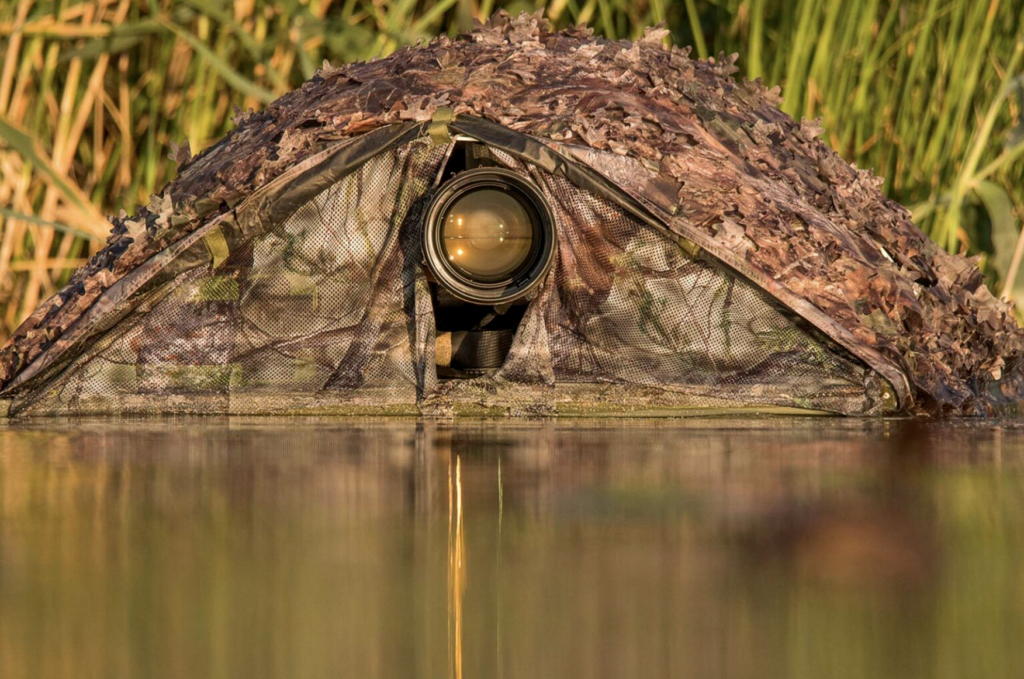
A wildlife photographic hide is an observation structure designed to allow wildlife photography and observation at close range without altering the natural behavior of species, under controlled conditions of light, background, and composition.
How do we evaluate a property?
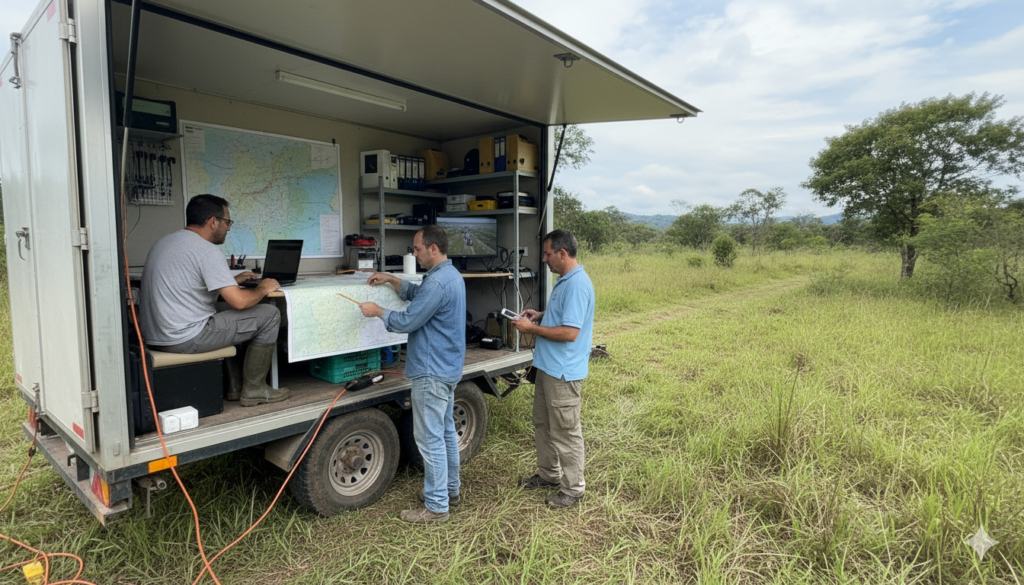
Evaluating the viability of a property is a technical, strategic, and multidimensional process. The objective is to determine whether a location possesses the real conditions necessary for the development of a specialized, profitable product aligned with high-value tourism.
Drawing from the combined experience of Wild Spain Travel, as a specialized agency in personalized nature travel, and Proyecto AVE, as documentary producers, we apply our own methodology that integrates tourism, conservation, business, and territorial storytelling.
Strategic potential of the location
–
We analyze whether the property qualifies within the specialized tourism market
through the following questions:
1.- Is there sufficient biodiversity to create a marketable experience?
2.- Does it have the potential to differentiate itself from existing offers?
3.- Can it be integrated into our existing routes and circuits?
4.- Can it be integrated with other local experiences such as indigenous community rituals, local craftsmanship, fieldwork activities, etc.?
5.- Are there additional alternatives that complement the tourism offering?
Here we evaluate the strategic value
to build a solid offer adapted to a specialized market.
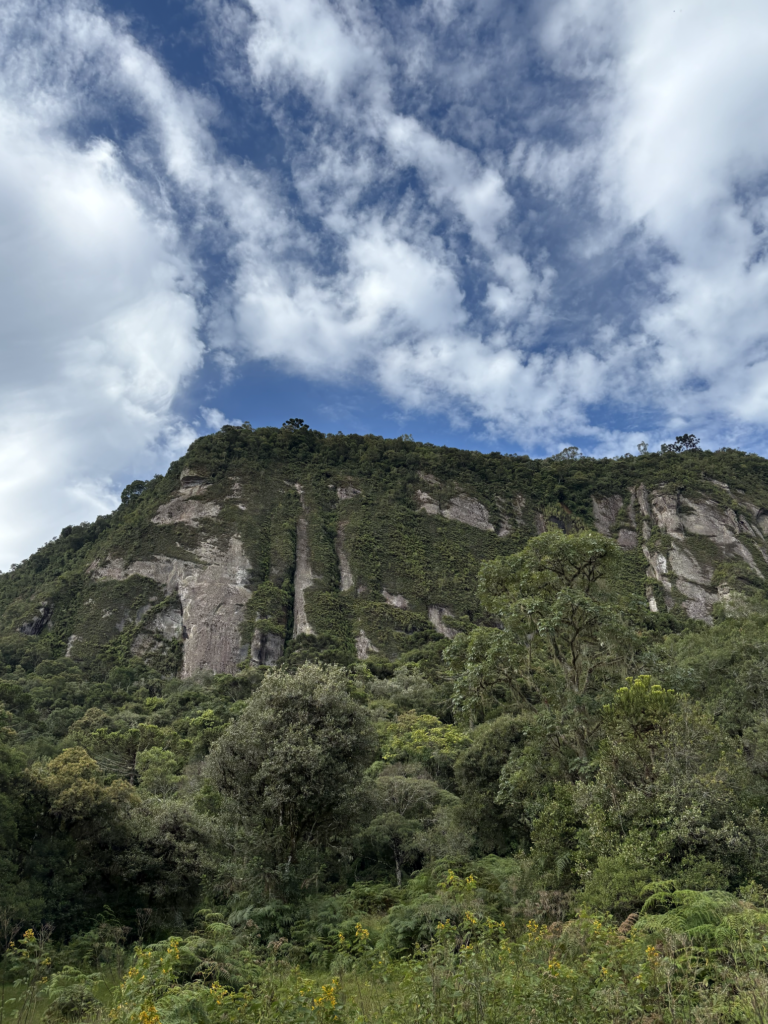
Location, context, and accessibility
We study the physical and territorial space:
1.- Geographic location, connectivity, and access.
2.- Relationship with protected areas, biological corridors, or rural zones.
A remote location can become a premium asset if the experience is properly designed.
Existing biodiversity and ecological value
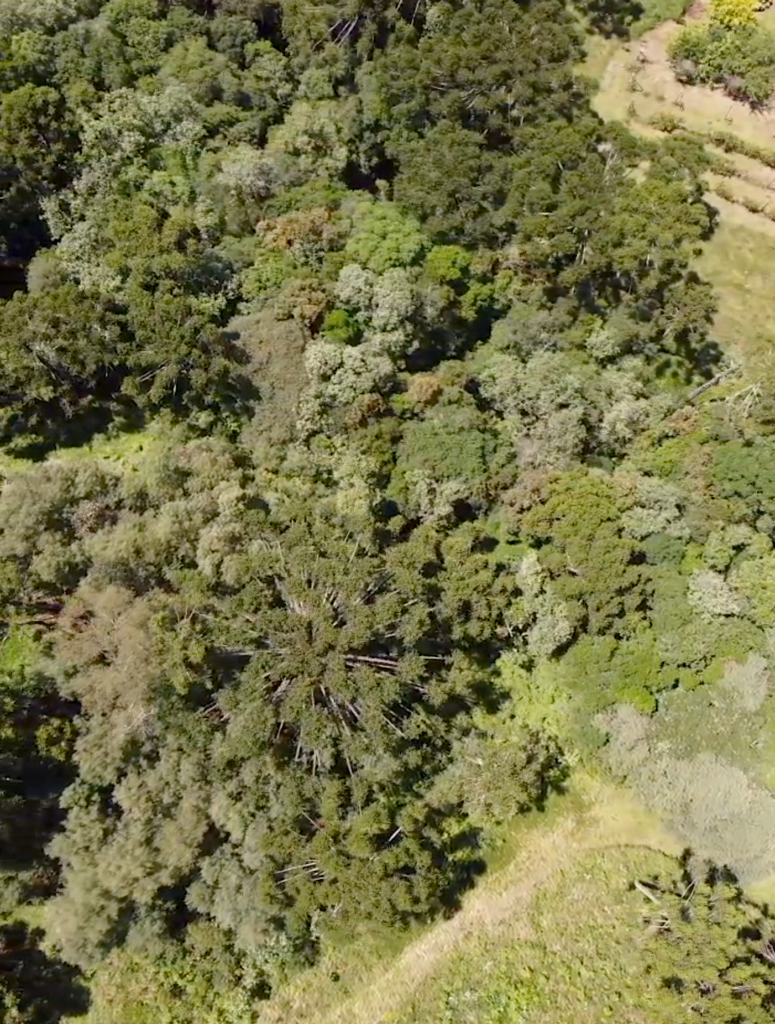
We assess the existing biodiversity:
1.- Existing ecosystems (forest, wetlands, mountains, savannah, etc.).
2.- Conservation status.
3.- Biological seasonality (key natural phenomena).
Anchor species
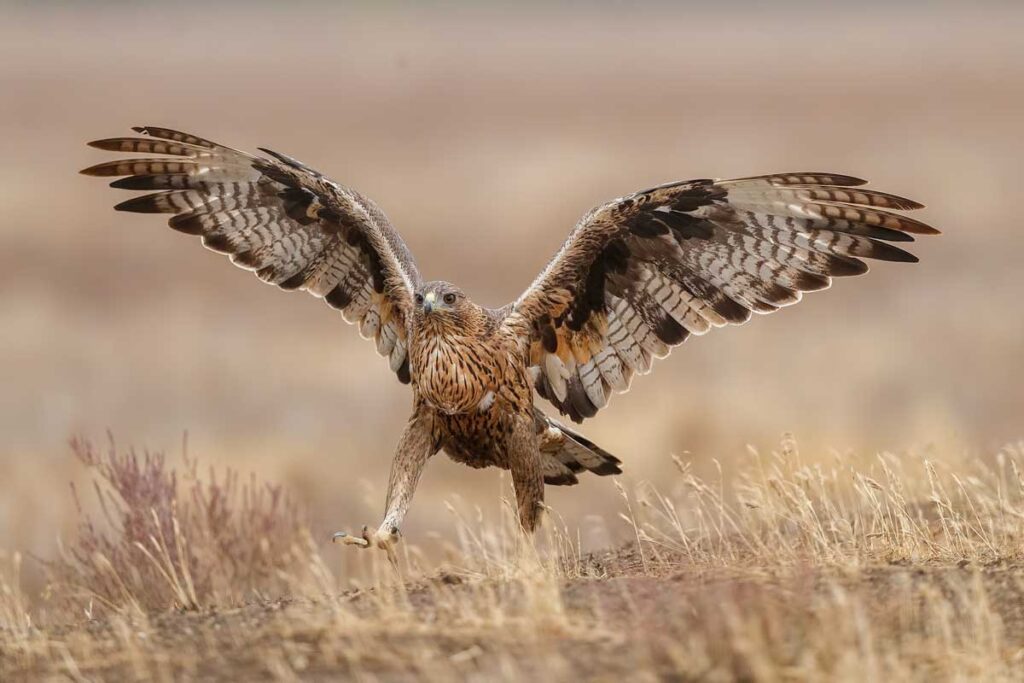
We identify emblematic species that may become the central focus of the project:
1.- Birds, mammals, reptiles, or unique flora.
2.- Charismatic, endemic, or scientifically significant species.
Wildlife inventory and environmental studies
We determine whether the property has:
1.- Updated previous wildlife and flora inventories.
If these do not exist, we evaluate:
2.- The need to conduct a specific characterization study.
3.- The minimum required scope of the characterization.
4.- The technical and economic feasibility.
Not all projects require the same level of study, but all require scientific rigor.
Existing infrastructure and adaptation capacity
We analyze the infrastructure from a functional and scalable perspective:
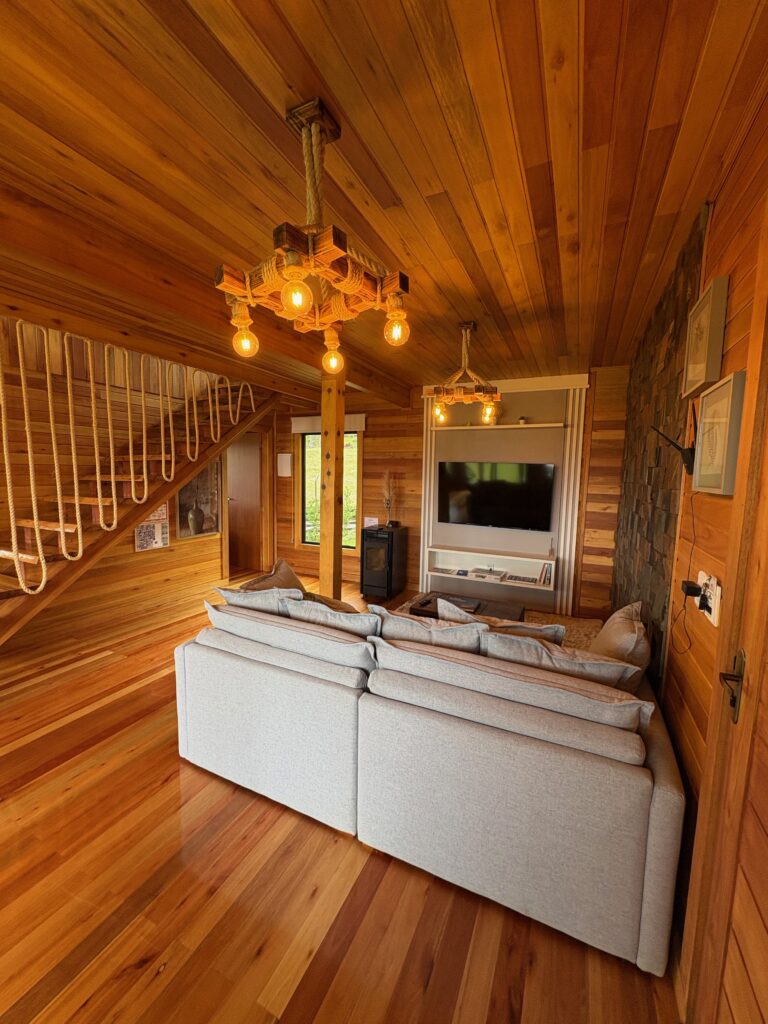
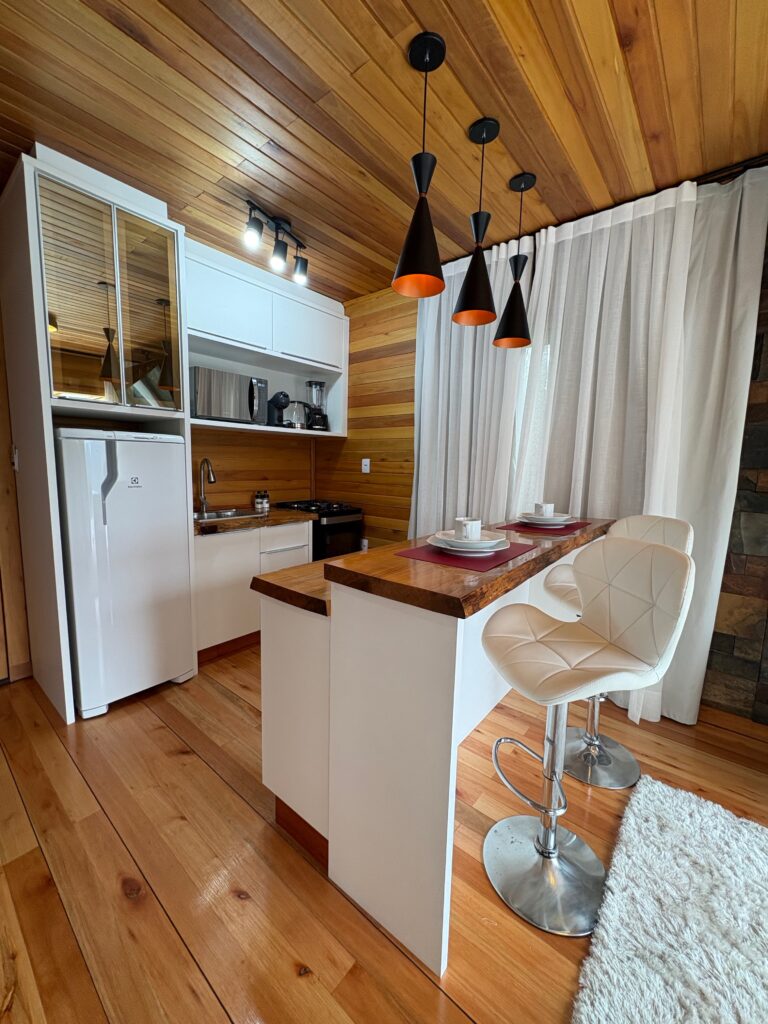
1.- Available accommodation and potential.
2.- Common spaces and technical areas.
3.- Possibility of installing trails and observation stations.
4.- Capacity to operate with small and specialized groups.
We always evaluate the balance between minimal intervention and maximum experience.
Feasibility of installing key observation points
We study the technical feasibility of:
1.- Observation platforms.
2.- Photographic hides.
3.- Interpretive trails.
4.- Educational or research spaces.
Each point is analyzed based on:
1.- Environmental impact.
2.- Real operational use.
3.- Strategic and narrative return.
Conditions for hosting specialized groups
Not every accommodation is suitable for specialized tourism, which is why we evaluate:
1.- Real group capacity.
2.- Privacy and logistics.
3.- Operational rhythms compatible with users.
4.- Conditions for extended stays.
Functional comfort is essential; luxury is contextual.
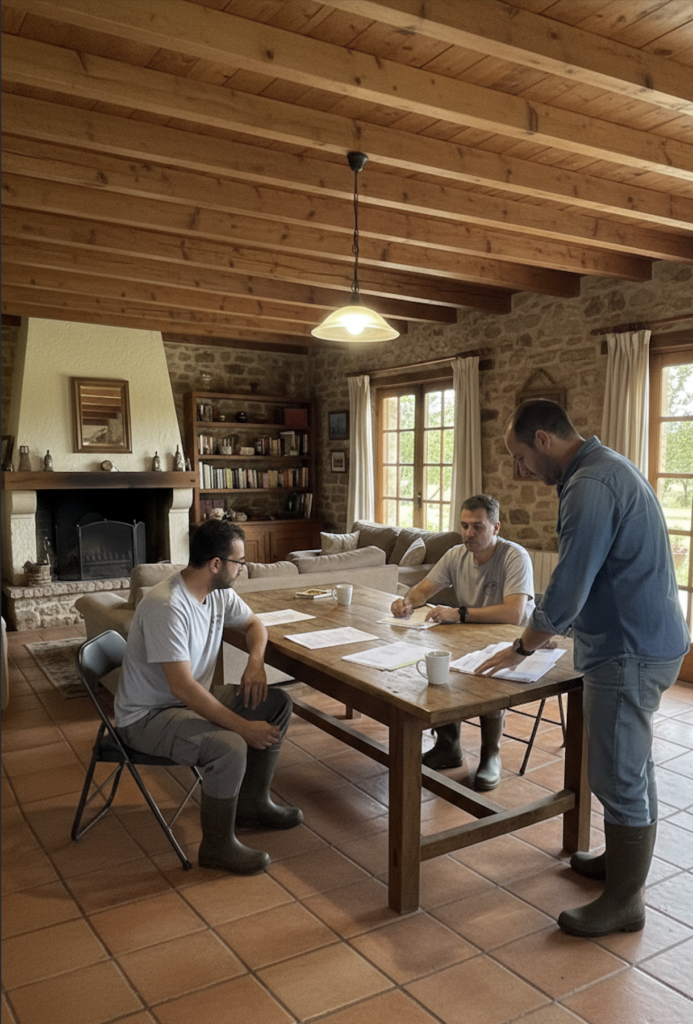
Legal and regulatory framework
We review the legal conditions that may affect the project:
1.- Land ownership and land use.
2.- Environmental regulations.
3.- Restrictions on tourism activities.
4.- Possibility of alliances with public or private institutions.
5.- Detecting legal risks before investing
is a central part of the process.
Investment readiness and growth model
Together with the property owner, we evaluate:
1.- Available investment level.
2.- Project timeline and long-term horizon.
3.- Return expectations.
4.- Openness to progressive development phases.
We do not seek oversized projects,
but rather intelligent, scalable, and coherent models.
Finally, we analyze something many overlook:
the story the place can tell.
Narrative and positioning potential
1.- What makes it unique?
2.- What message does it communicate?
3.- How can it position itself internationally?
Here we connect tourism, conservation, and communication, creating projects that not only function effectively, but also inspire and remain memorable.